Palms to Pines REALTOR® DRE 02202075
Call me; let's talk
Modern Scandinavian
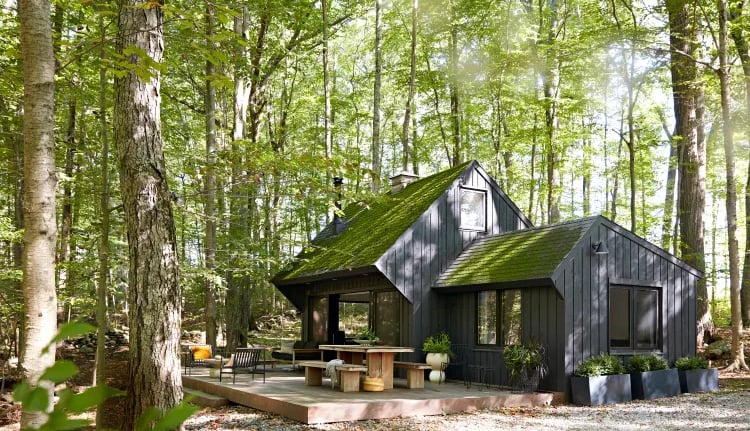
characterized by minimalism, functionality, and natural light, with clean lines, open floor plans, and a focus on natural materials like wood;
the design emphasizes simplicity and a connection to nature, creating bright, airy, and welcoming spaces that are both comfortable and uncluttered;
key elements include large windows, a neutral color palette, and furniture that is practical as well as aesthetically pleasing

Victorian
characterized by its ornate details, steep, gabled roofs, and asymmetrical design, with features like wraparound porches, decorative woodwork, and bright, often two-toned, paint schemes;
inside, these homes typically feature high ceilings, complex layouts with separate rooms, dark hardwood floors, and decorative elements such as elaborate fireplaces, stained glass, and grand staircases
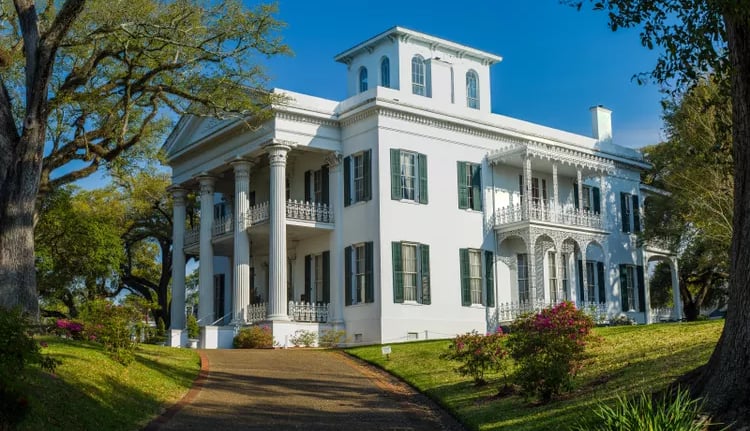
Neoclassical
characterized by strong symmetry, clean lines, and use of classical architectural elements like columns and triangular pediments;
often featuring a grand, imposing entrance, frequently with a full-height portico;
built with an emphasis on balance and geometric order, creating a sense of timeless elegance gleamed from Roman & Greek culture
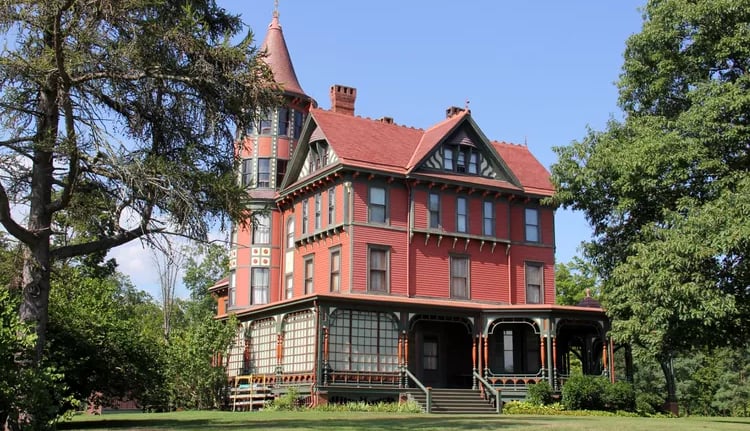
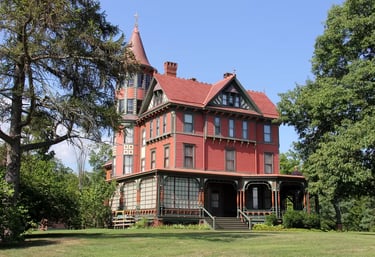
Queen Anne
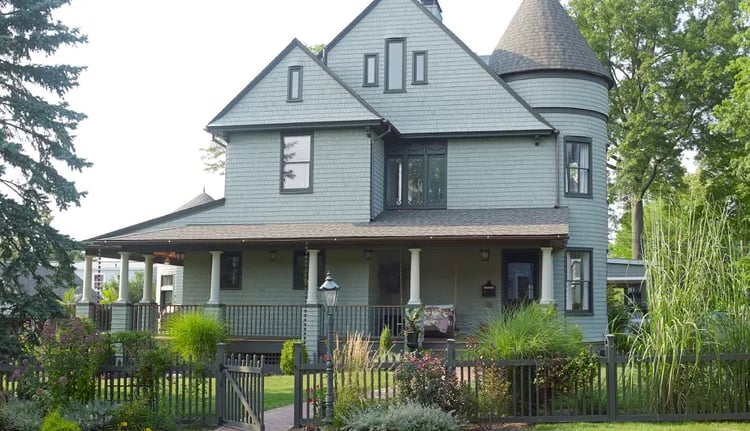
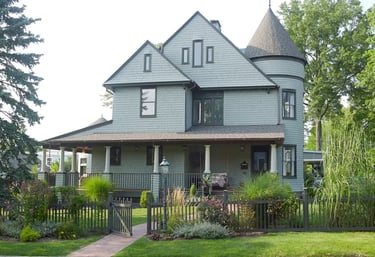
ornate, eclectic Victorian-era style known for its asymmetry, steep gables, and variety of textures and materials;
key features include wraparound porches, decorative trim, bay windows, and often a tower or turret;
using a mix of building materials, decorative shingles, and patterned walls, resulting in a visually dynamic and complex design
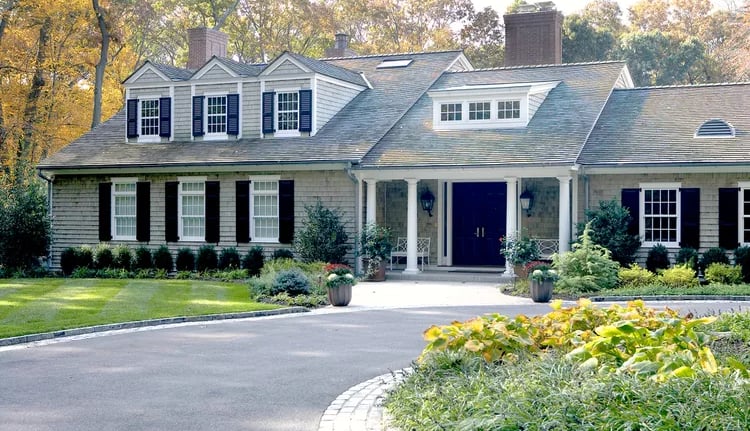
Cape Cod
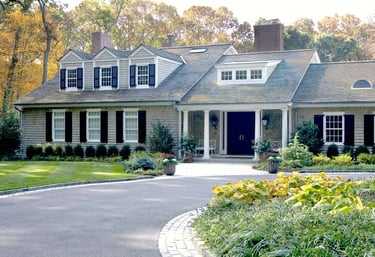
simple, symmetrical, compact with a steeply pitched, side-gabled roof with a shallow overhang, and central chimney;
common features include central front door, multi-paned double-hung windows with decorative shutters and siding of clapboard or shingles;
originally designed for practicality in cold New England climates, the steep roof sheds snow and rain easily, and the compact, one-and-a-half-story structure helps retain heat
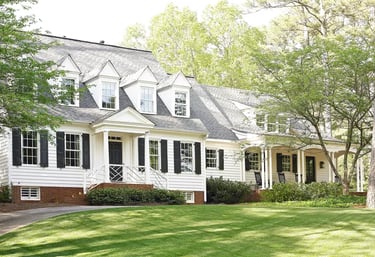
Colonial
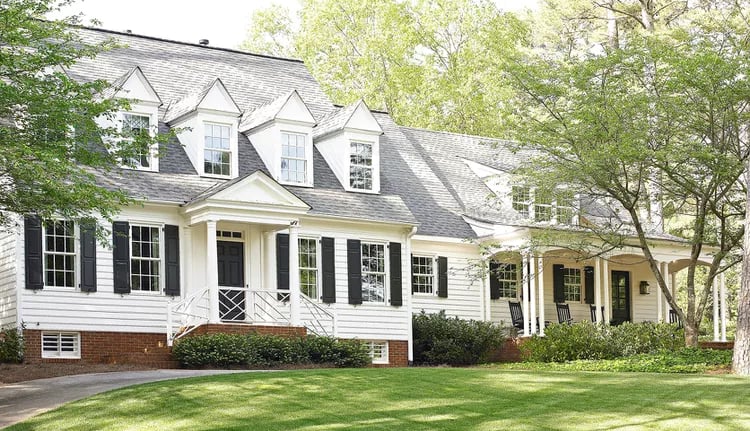
characterized by its symmetrical, rectangular shape, steep gabled roof, and minimal ornamentation;
key features include a central front door with two double-hung windows with shutters flanking each side of the entrance, five windows on the second floor, and often a prominent central chimney;
materials typically include wood, brick, or stone, and the style is known for its simple, elegant, timeless appearance
Tudor
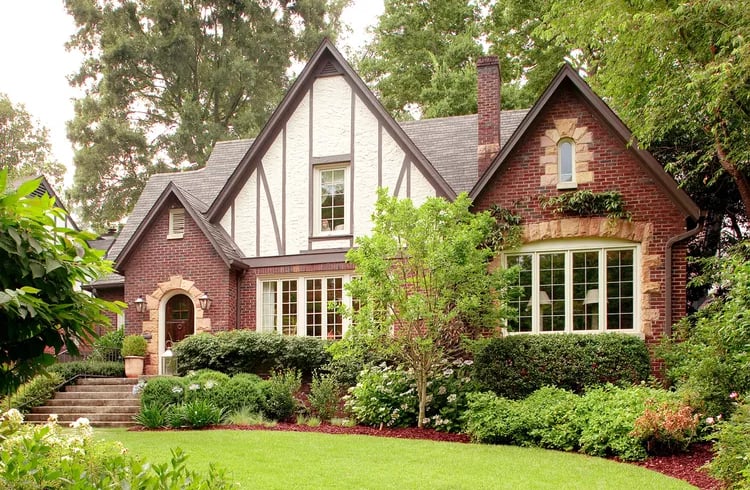
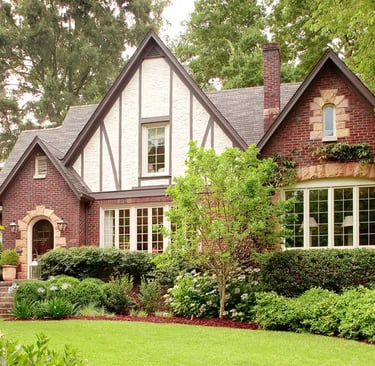
characterized by steeply pitched, cross gabled roofs, decorative half-timbering with stucco or brick, and prominent, elaborate chimneys;
these homes often have a fairytale-like or medieval appearance due to elements like arched doorways, groupings of narrow or diamond-paned casement windows, and asymmetrical facades
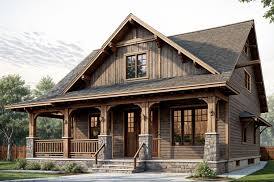
Crafstman
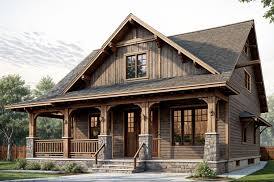
characterized by its connection to nature and focus on skilled craftsmanship;
featuring a low-pitched roof, wide-open front porch supported by thick columns, and rich, natural wood details both inside and out;
interior features include open floor plans with arched doorways, built-in cabinetry, a prominent fireplace, and an abundance of large windows that create a warm and functional living space
Cottage
cozy, charming, and often asymmetrical;
characterized by a low-pitched gable roof, a prominent chimney, and natural materials like wood and stone;
typically small, one to one-and-a-half stories, and have a rustic, down-to-earth aesthetic that prioritizes comfort and functionality;
key features include covered porches, open floor plans, exposed beams, and decor that blends natural, vintage, and eclectic elements


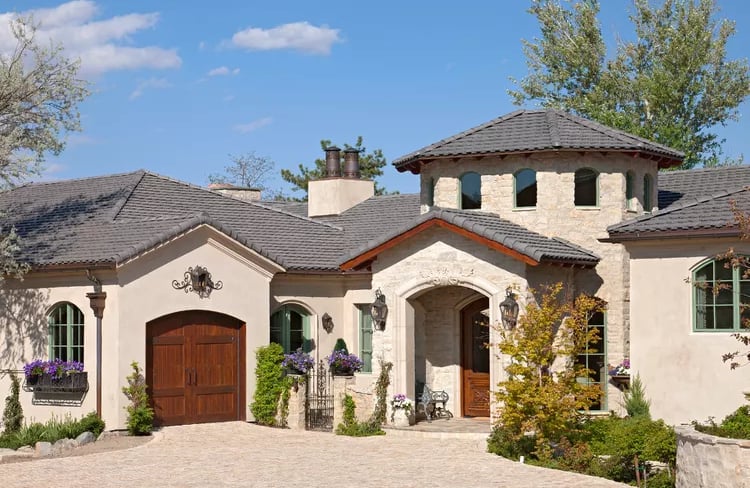
Mediterranean
characterized by features like red-tiled roofs, stucco exteriors, and a strong indoor-outdoor connection, drawing inspiration from historic Spanish and Italian villas;
key elements include symmetrical facades, wrought-iron details, and large, open living spaces designed to maximize natural light and airflow
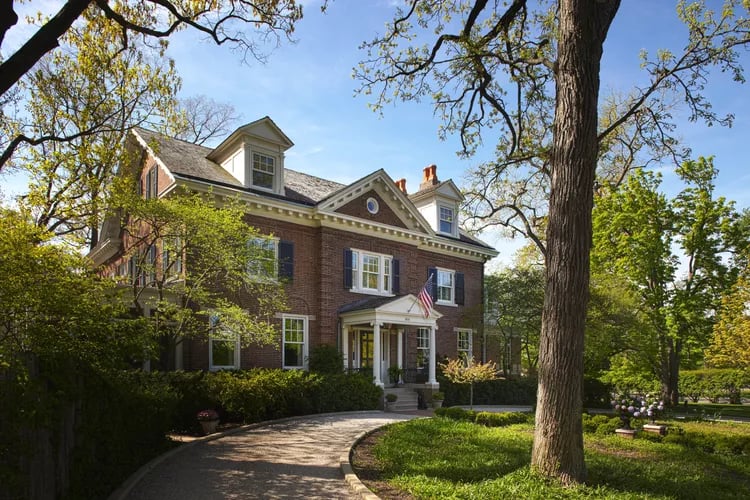
Georgian
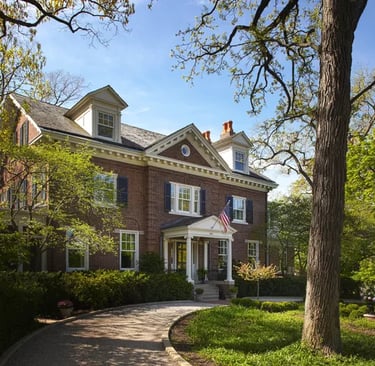
characterized by its symmetry, proportion, and classical details, typically featuring a rectangular or square shape with a central entryway and evenly spaced windows on either side;
exterior materials often include brick or stone, and common features are double hung sash windows with small panes, a decorative door, and a multi-paneled or hipped roof;
larger versions may include a central block with symmetrical wings on the sides
Ranch
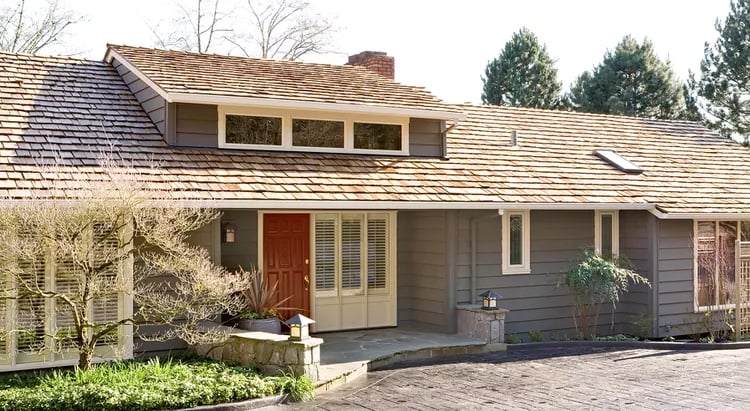
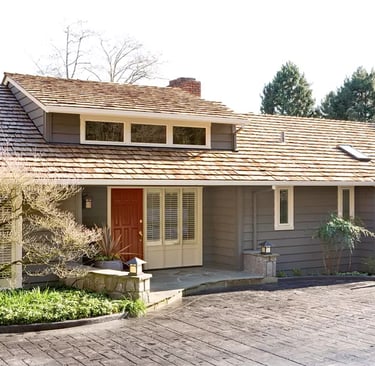
a single-story home, typically with an open floor plan, low-pitched roof, and large windows;
often has a long, low-profile shape and can be arranged in an L or U shape to connect the indoor and outdoor living spaces;
key features include an attached garage, sliding glass doors leading to a patio, and a design that promotes easy, accessible movement
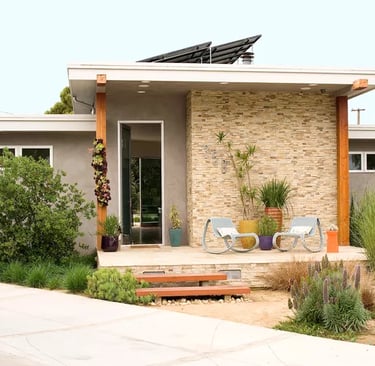
Contemporary
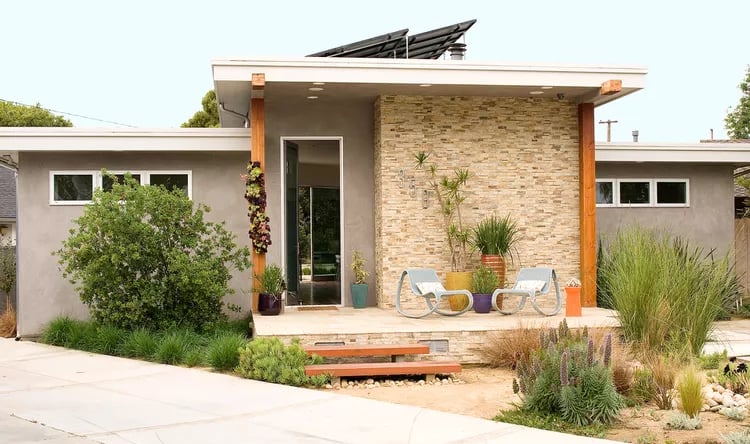
defined by its current, evolving design, which typically features clean lines, an open floor plan, and a focus on functionality and sustainability;
these homes embrace a minimalist aesthetic with neutral color palettes, but incorporate dynamic elements like large windows, geometric shapes, and mixed natural and industrial materials for visual interest
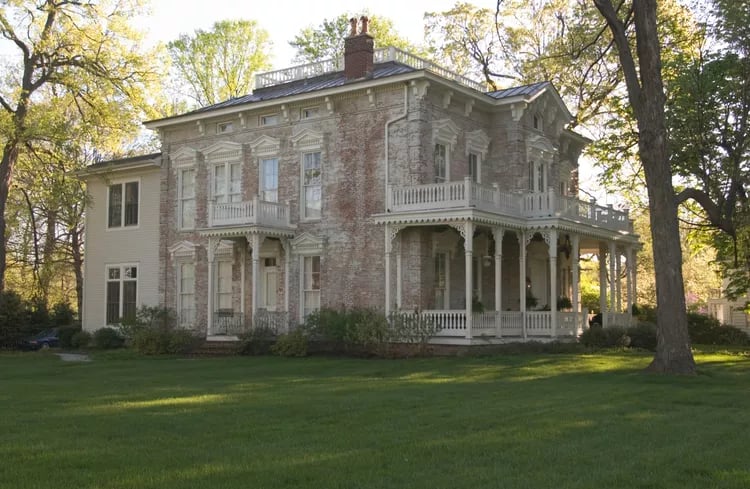
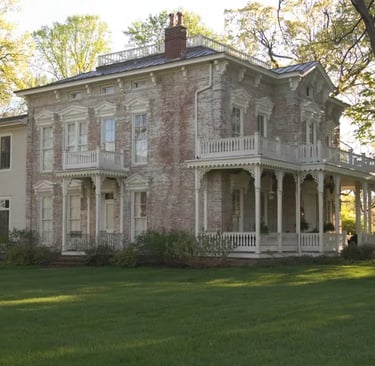
Italianate
characterized by its wide, overhanging eaves with decorative brackets, tall and narrow windows often with elaborate hoods, and a low-pitched hipped roof;
common features include a square cupola or tower, ornate window surrounds, and quoins at the corners;
the style emphasizes verticality and was popular from the mid-19th to late 19th centuries for both grand homes and commercial buildings
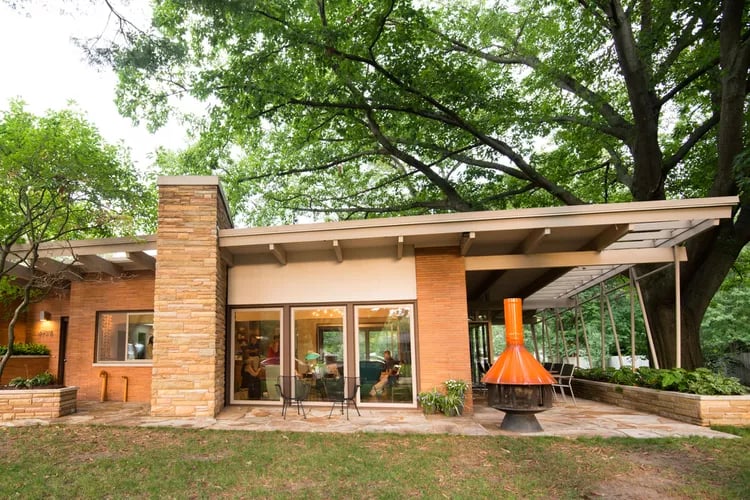
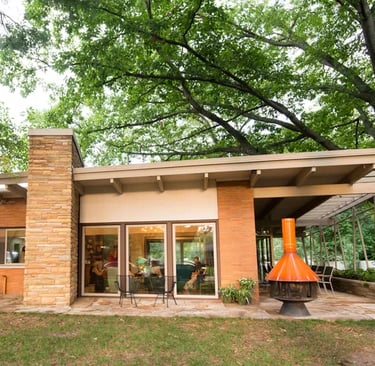
Midcentury Modern
characterized by clean lines, a focus on functionality, and a strong connection to the outdoors, often featuring large windows, open floor plans, and a mix of natural and modern materials like wood, glass, and steel;
key features include geometric shapes, minimal ornamentation, and a design philosophy that emphasizes simplicity and integration with the surrounding landscape
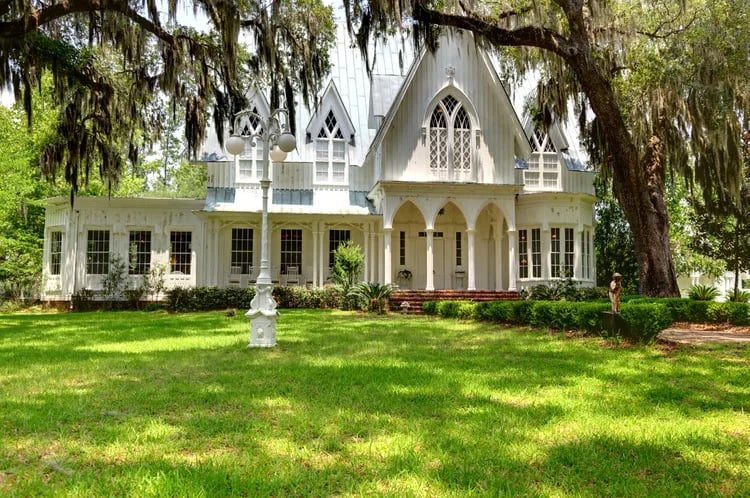
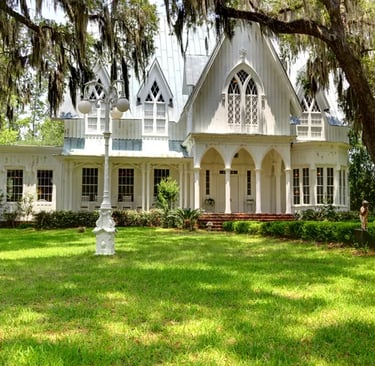
Gothic Revival
characterized by its verticality and dramatic, medieval-inspired details like steeply pitched roofs, pointed arches, and decorative bargeboards;
key features include cross-gabled roofs, ornate trim, often featuring vertical elements like towers, spires, and slender columns, and asymmetrical floor plans;
this style is recognizable by its romantic and fairytale-like appearance, often incorporating elements like stained glass and decorative wooden gingerbread trim
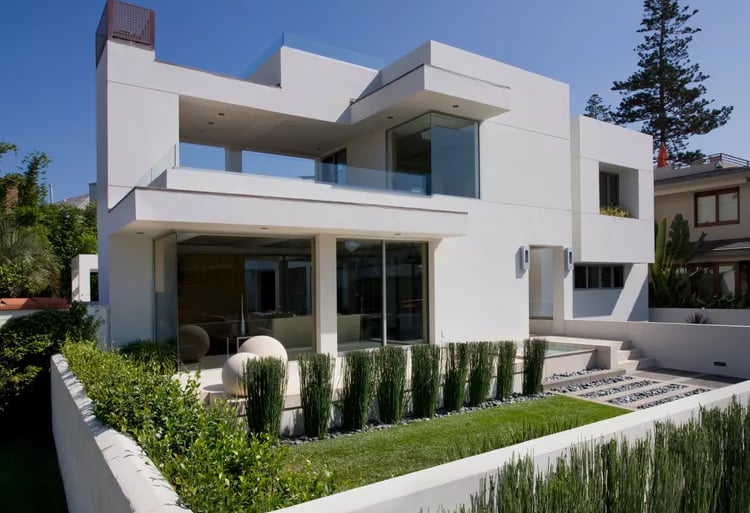
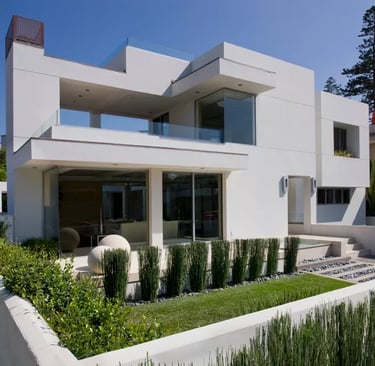
Modern Architectural
the "less is more" philosophy is central to modern design, featuring simple, unadorned forms, sleek surfaces, and a deliberate lack of fussy architectural details like decorative columns, arches, or shutters;
emphasizes clean lines, geometric forms, and a minimalist aesthetic that prioritizes function over unnecessary ornamentation; rooted in the 20th-century Modernism movement, this style creates a seamless connection between the indoors and outdoors using a blend of industrial and natural materials
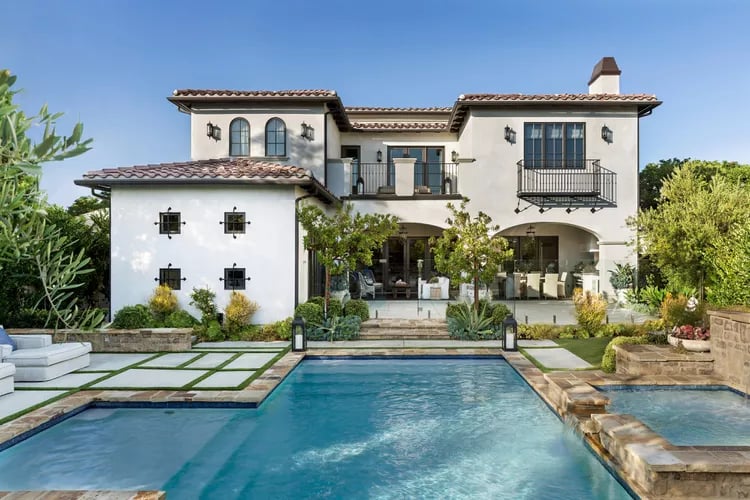
Mediterranean Revival
characterized by its stucco exterior, red tile roof, and arched doorways and windows; often featuring wrought iron details, emphasizing indoor-outdoor living through courtyards, patios, and balconies;
draws inspiration from the architecture of the Mediterranean region, particularly Southern Europe and the coasts of the Levant, with influences from Spanish, Italian Renaissance, and Moorish styles
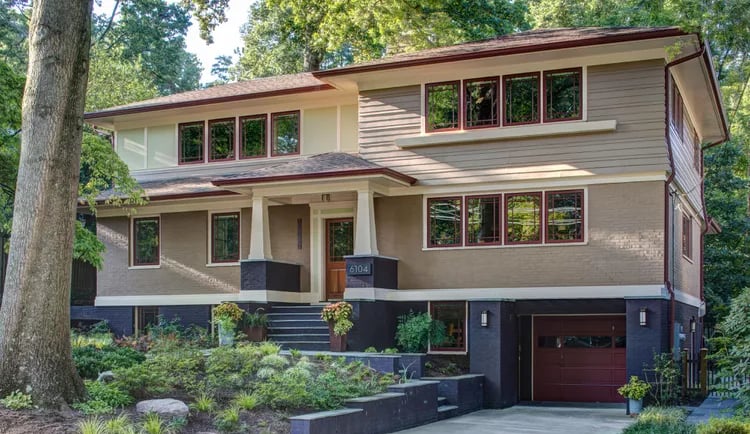
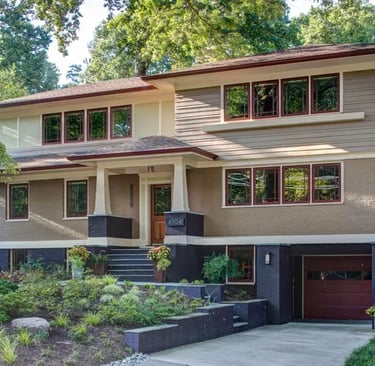
Prairie
characterized by its strong horizontal lines, low-pitched roofs with wide, overhanging eaves, and a design that blends with its landscape;
key features include massive, central chimneys; large, square porch supports; and rows of windows, often with geometric, art-glass patterns, that can take up entire walls;
interiors feature open floor plans with built-in furniture, natural wood, and a color palette inspired by nature
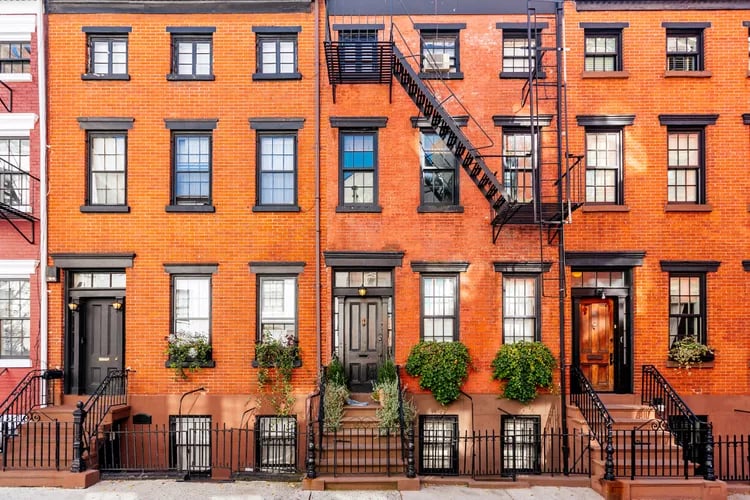
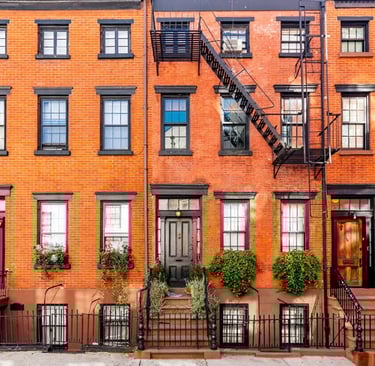
Rowhouse
most common in urban areas where accessible land for residential buildings is hard to come by;
the vertical homes are built side by side in a uniform row, all of them being the same height, usually built of brick and sometimes painted different colors to differentiate each home from one another;
since the side walls of the houses are usually adjacent to the next home, multiple windows line the front and back of the building
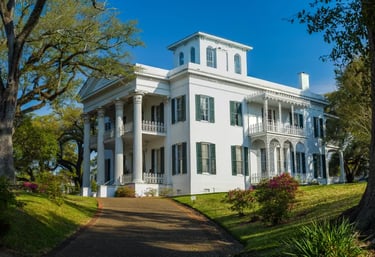
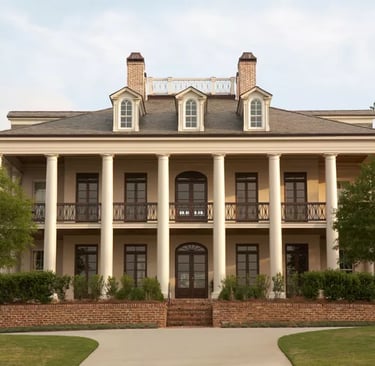
Antebellum
a grand, symmetrical home characterized by its multiple stories, large windows, and often a prominent, wrap-around porch supported by stately columns;
key features include a central front and rear entrance, gabled or hipped roofs, and an overall design that emphasizes balance and classical proportions, drawing heavily from Georgian, Greek Revival, and Neoclassical styles
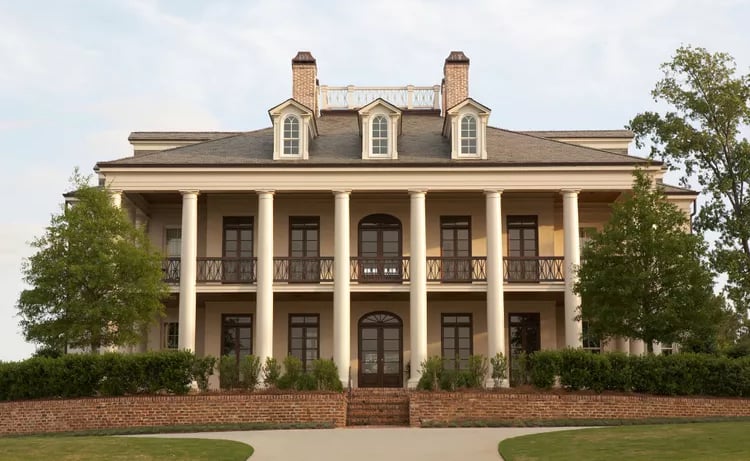
Federal
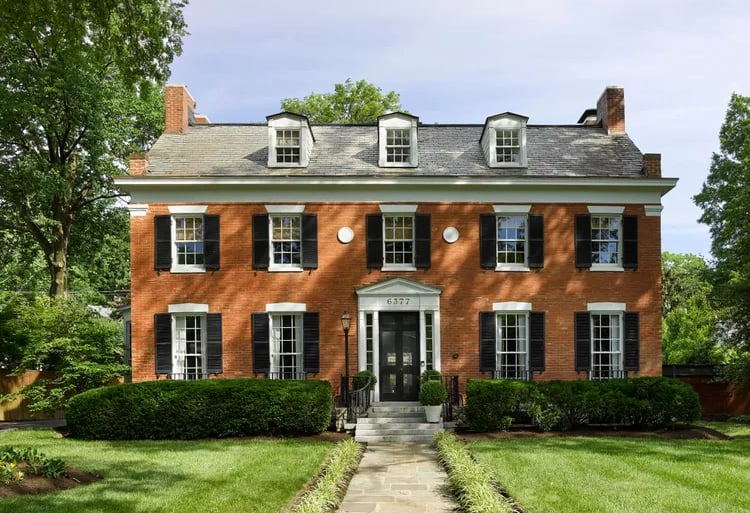
a symmetrical, two- or three-story structure, typically with a square or rectangular shape, a side gabled and hipped roof, and an elaborate front entrance;
evolved from the earlier Georgian style, using classical Roman and Greek architectural motifs with a more refined and delicate aesthetic, using brick or wood construction;
key features include Palladian windows (three-part windows), two to four symmetrical chimneys, columns or a pediment over the door, and often detailed interior moldings and an oval room layout
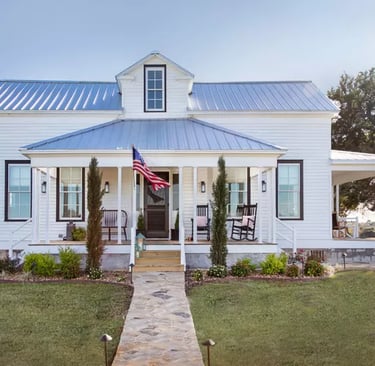
Modern Farmhouse
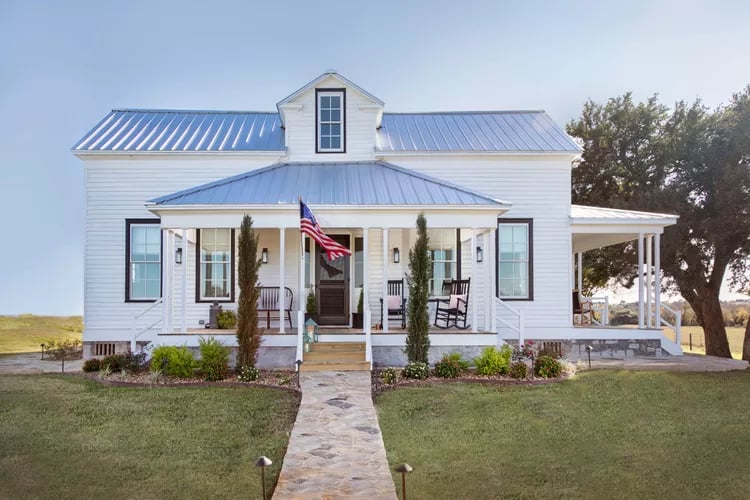
a blend of traditional farmhouse and contemporary styles, featuring a mix of rustic charm with clean lines and modern finishes;
key elements include an open floor plan, neutral color palettes with pops of earthy tones, and the use of natural materials like wood and stone;
characterized by shiplap walls, exposed beams, sleek hardware, and functional, minimalist decor
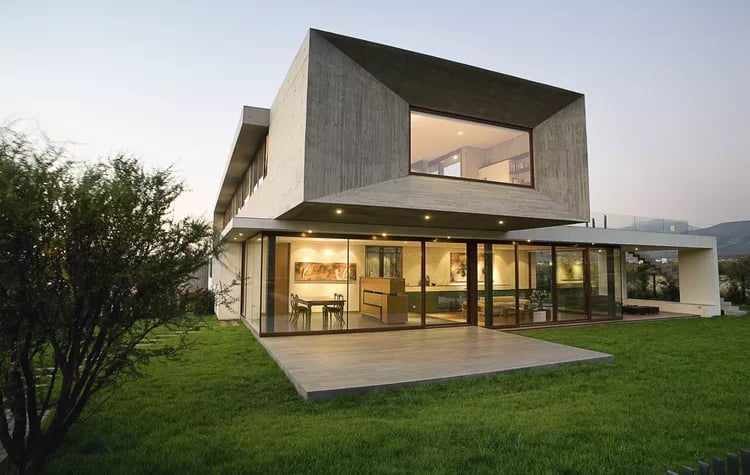
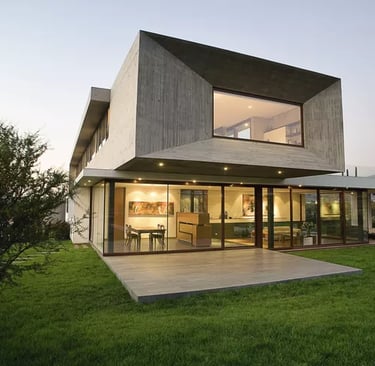
Brutalist
characterized by its heavy, monolithic appearance, often made from raw, exposed concrete and featuring bold, geometric forms and sharp, clean lines;
key features include a massive scale, a sense of raw, industrial utility, and the intentional exposure of structural elements like pipes or support beams;
interior spaces can be softened with natural materials like wood and textiles, or the addition of lush greenery to contrast with the hard surfaces
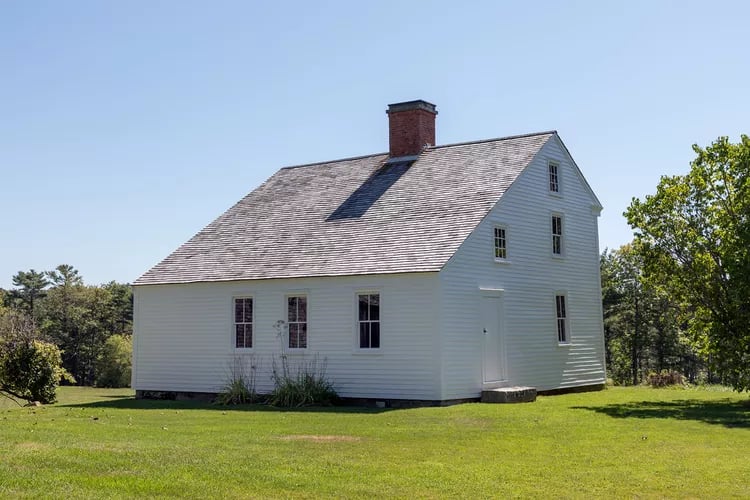
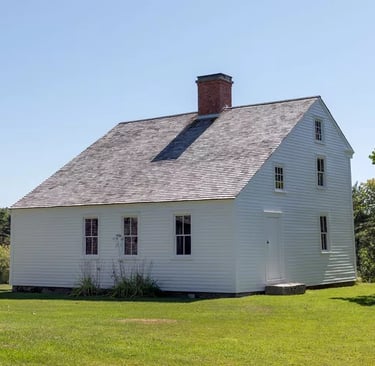
Saltbox
a traditional New England colonial home characterized by its asymmetrical, two-story front and single-story rear, resulting from a long, steeply pitched roof that slopes down to the back;
this unique design, named for its resemblance to old wooden salt boxes, features a central chimney and is typically made with timber-frame construction, often with a symmetrical-looking front facade
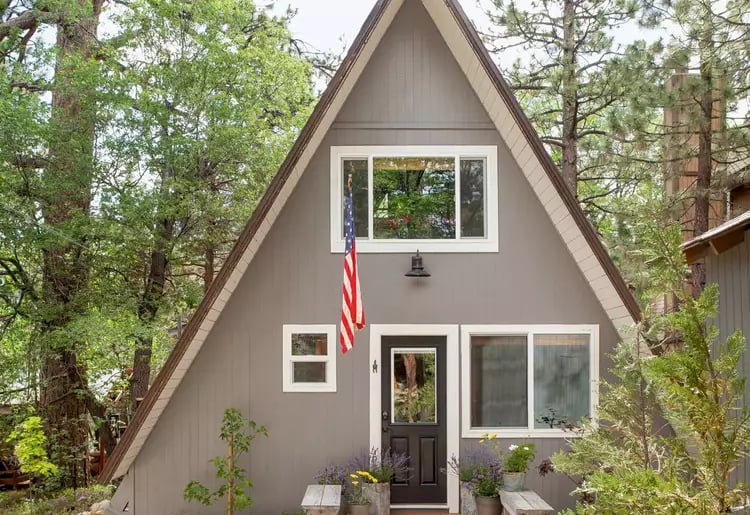
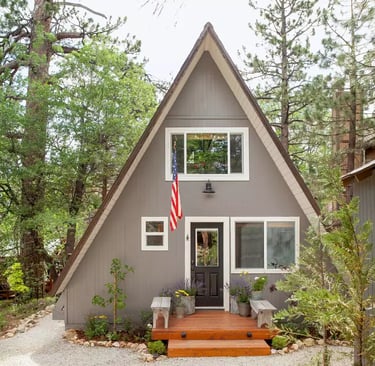
A-frame
characterized by its steeply pitched, triangular roof that often extends to the foundation, creating a distinctive "A" shape;
this design is known for its durability, especially in areas with heavy snow, and its charming, open-concept interior with features like vaulted ceilings and exposed beams;
common drawbacks include limited living space due to the sloped walls, potential for wasted space near the roofline, and difficulties with roof access for maintenance
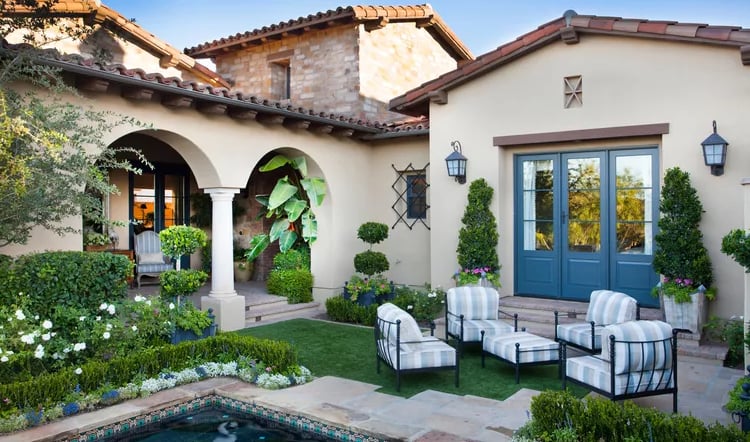
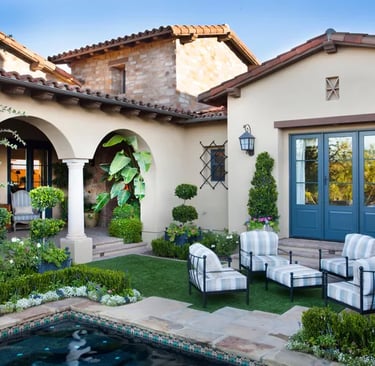
Spanish Colonial
characterized by thick, white or off-white stucco exterior walls and low-pitched red tile roofs;
key features include arched doorways and windows, wrought iron details like window grilles and balconies, and a central courtyard;
these homes are well-suited for warm climates, utilizing their thick walls for insulation and courtyards for outdoor living space
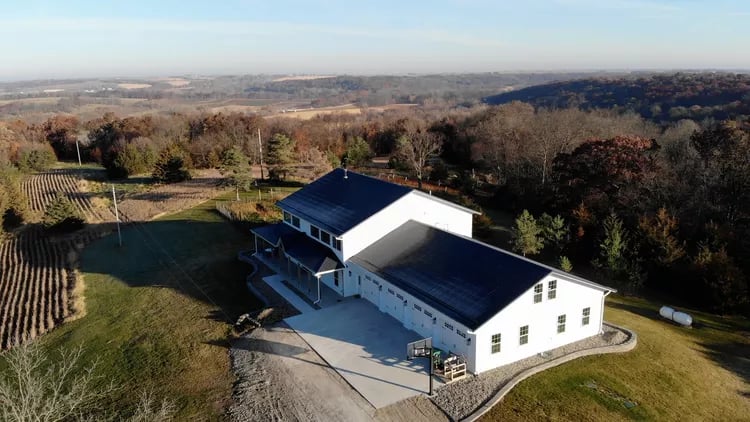
Barndominium
built to resemble a barn, often with a metal exterior, but with modern residential amenities inside;
known for their high ceilings, open floor plans, and flexible layouts that can include both living space and a separate workshop, garage, or storage area;
while the exterior is built first using a steel or wood frame, the interior is customized to include all the comforts of a traditional home, such as kitchens, bathrooms, and bedrooms
Architectural Styles
All information is deemed reliable but not guaranteed.
Buyers and sellers should conduct their own due diligence and consult with qualified professionals before making decisions.